
|
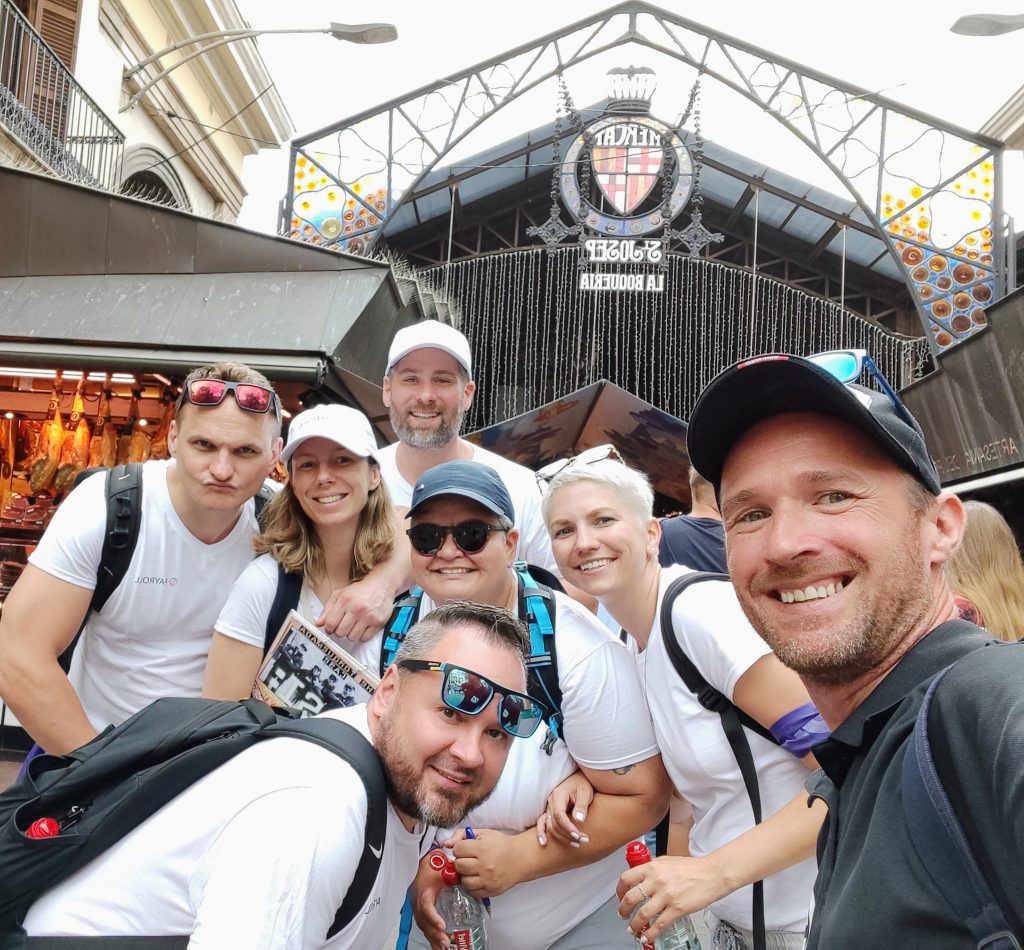
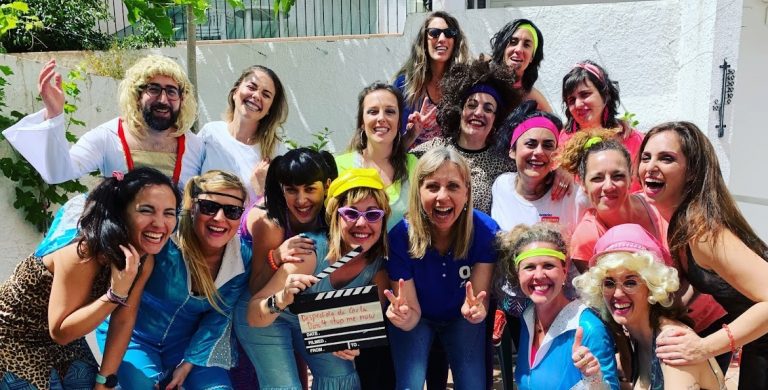
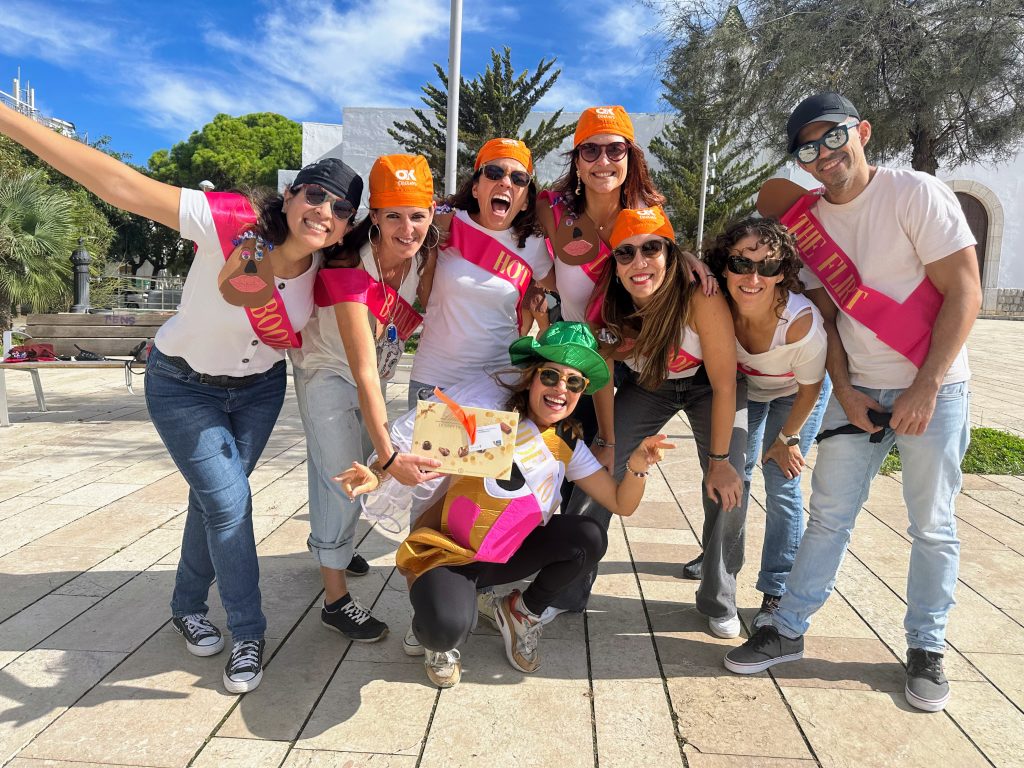
The concept of Team Building includes a series of Activities or Exercises that allow members of a group to define themselves as a team.
When outside the daily work environment, each and every member participates in the event, thus determining, in a playful and participatory way, their mission, common objective, knowledge, and closeness from each member, all of which make them into a Team.
The gradual process that entails working efficiently as a team and being successful begins with the first step: defining the type of group to which we belong. Every member must be familiar with their goals, the roles they have, who should work with whom, and the strategy to be followed.
a) What is it used for?
Its usefulness lies in the basic concept of the work performed by those who form an organization. It is used to work on characteristics that give rise to leadership, communication, team work, and other both “relational” and “personal” aspects, which complement professional knowledge.
b) Who is it used for?
It is aimed at companies that appreciate the value of their most important asset: the personal and professional development of their employees. It is orientated at every company that considers learning and enjoyment to be a good experience that can have positive results for the whole organization.
People working in different organizations are thirsty for a new type of learning that can strengthen their capabilities and enthusiasm. This type of “Experiential Learning” will help them understand other aspects of reality from another point of view, as well as deepen their knowledge as regards the management of work teams, and it will particularly improve their capabilities in the use of personal and interpersonal communication. Thus, they will be able to achieve all business, professional, and personal objectives.
c) Teamwork:
This line of products has been designed for clients that wish to use employee meetings to improve, through team work sessions, their personal and group capabilities using Team Building or Team Work techniques. They can be both Indoor (closed spaces) and Outdoor (open spaces) sessions. The duration of sessions can vary between 2 and 6 hours, depending on the needs in each case.
Among other reasons, the success of the method lies in a new learning methodology based on the application of experiential education, which is fueled by the five key elements of learning:
- Thinking;
- Observing;
- Doing;
- Feeling;
- Sharing.
“The Heart of a successful organization is a team whose members fully understand and trust each other”
d) Are any special circumstances necessary to carry out these activities?
There can be a variety of subjective causes. The solution can lead to different outcomes. But in the light of results, if the conclusion is both useful and fun, we believe that the objective will be achieved.
Under what circumstances can they be applied?:
- To put disparate teams together, to promote team work among divisions, even in a whole organization.
- To reward the team for achieving certain objectives or having a successful year, month, or week, and/or to simply welcome the New Year
- To strengthen the bonds of Internal and Interdepartmental Communication
- To uplift the spirit and eradicate stress
- To focus the team on new launches and marketing campaigns, or to change incentives.
- To develop a “group spirit”, a common spirit of camaraderie, enthusiasm, and devotion for something in particular shared by the members of a group.
- To inspire a “Carpe Diem” (“Seize the day”) attitude
- To challenge the team to work together and in an effective and creative way.
|